Farm Fresh Christmas Trees Embroidery Review
As a designer who has spent countless hours staring at digitized files and watching needles punch through fabric, I have developed a keen eye for what makes an embroidery design truly work in the real world. It is not just about how it looks on a screen; it is about how it behaves under the presser foot, how it holds up after washing, and whether it adds genuine value to a handmade product. Recently, I evaluated the Farm Fresh Christmas Trees Embroidery design to determine its viability for my upcoming holiday collection. Here is my practical assessment of this whimsical asset.
First Impressions and Visual Personality
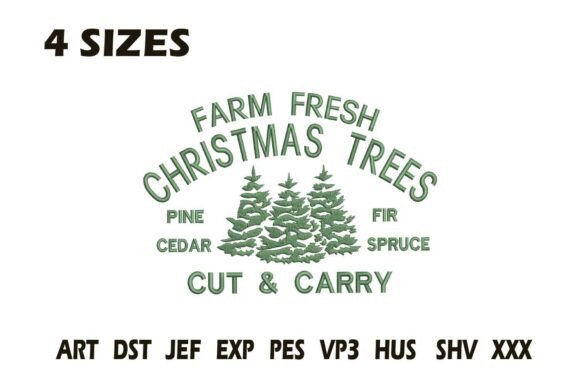
The moment I loaded the file into my editing software, the playful nature of the design stood out. Unlike rigid, traditional holiday motifs, this piece exudes a rustic, hand-drawn charm. The layout suggests a casual, organic feel that aligns perfectly with current trends in boutique home decor and artisanal apparel. The visual personality is approachable and warm, making it an excellent candidate for projects that aim to evoke nostalgia and comfort.
For embroidery designers, the balance between detail and stitchability is crucial. This design appears to prioritize clarity over excessive complexity. The shapes are distinct, which suggests that the digitizer likely used a combination of fill stitch areas for the tree bodies and potentially satin stitch or running stitch elements for outlines or text accents. This mix is vital for preventing the design from becoming a dense blob of thread, especially when scaled down for smaller items.
Real-World Application: The Tote Bag Test
To truly understand the potential of the Farm Fresh Christmas Trees Embroidery, I envisioned a specific real-life scenario: creating a set of reusable grocery totes for a local farmers' market pop-up shop during the holiday season. The goal was to merge utility with festive cheer.
I selected a heavy-weight canvas fabric, known for its durability and ability to support heavier stitch counts without puckering. The rustic theme of the design complemented the natural texture of the canvas beautifully. When stitched, the design did not overpower the bag but rather served as a charming focal point. Customers are drawn to items that feel personal and unique, and this tote bag design delivered that artisanal aesthetic. It transformed a standard utility item into a desirable personalized gift or a statement piece for eco-conscious shoppers.
Versatility Across Product Lines
Beyond tote bags, this machine embroidery design shows remarkable versatility. Here is how it performs across different categories:
- Custom Apparel: On a heather grey sweatshirt, the design adds a subtle yet festive touch. It works well for sweatshirt embroidery because the playful style matches the casual comfort of the garment.
- Home Decor: Stitched onto linen tea towels or burlap pillow covers, the design enhances the cozy, farmhouse aesthetic that remains popular in interior design.
- Baby Items: For baby embroidery, such as onesies or bibs, the soft curves and lack of aggressive detailing make it safe and visually appealing for young children.
- Patches and Appliques: If adapted as an applique design, it could be ironed onto denim jackets or backpacks, offering a layered look that reduces stitch density while maintaining visual impact.
Technical Considerations and Fabric Compatibility
While the design is charming, practical application requires careful attention to technical details. Not every fabric will yield the same result. Here is where you need to exercise caution:
- Fabric Texture: On highly textured fabrics like thick wool or terry cloth, fine details may get lost. Ensure your thread colors contrast sufficiently with the background to maintain visibility.
- Stretchy Materials: If using this on knit fabrics for t-shirts, proper stabilization is non-negotiable. A cut-away stabilizer is recommended to prevent distortion after washing.
- Dark Fabrics: When stitching on dark navy or black garments, consider using a lighter thread palette or adding an underlay to ensure the design pops. Testing on scrap fabric first is essential to gauge color vibrancy.
- Small Hoop Sizes: If you plan to scale the design down for caps or small patches, check the stitch density. Dense areas may cause needle breaks or fabric puckering if the design is too small for the hoop size.
Always review the specific embroidery file details provided by the seller. Since exact stitch counts and recommended hoop sizes are not always standardized, verify these specifications before committing to a large production run. This step is critical for maintaining professionalism and avoiding wasted materials.
Impact on Brand Value and Customer Trust
For Etsy sellers and small shop owners, the quality of your design assets directly influences buyer perception. A clean, well-digitized design like Farm Fresh Christmas Trees Embroidery signals professionalism. When customers see crisp edges and consistent stitching, they trust the craftsmanship of the entire product.
This design supports brand consistency for those focusing on rustic, handmade, or holiday-themed niches. It enhances the giftability of items, making them more attractive for seasonal shopping. Furthermore, using high-quality design assets allows for better printable mockup creation, which is essential for online listings where customers cannot physically touch the product.
Practical Designer Notes
Before integrating this design into your commercial workflow, keep these actionable tips in mind:
- Test on Scrap Fabric: Always run a test stitch-out on the same fabric type you intend to use for the final product. This reveals any tension issues or registration errors.
- Check Thread Contrast: Use a color chart to select threads that harmonize with the farm-fresh theme. Earthy greens, browns, and warm reds often work best.
- Review Licensing: Confirm whether the digital embroidery file includes a commercial license. If you plan to sell finished items or use the design in client projects, ensure you have the legal right to do so.
- Inspect Small Details: Zoom in on the digitized file to check for tiny jumps or unnecessary trims that could slow down your machine or weaken the thread.
- Mockup Testing: Create black and white mockups to ensure the design remains recognizable even without color. This helps in understanding the structural integrity of the digitizing.
In conclusion, the Farm Fresh Christmas Trees Embroidery is a versatile and charming addition to any designer’s library. It bridges the gap between whimsical fun and professional quality, making it suitable for a wide range of commercial embroidery projects. By paying attention to fabric choice, stabilization, and licensing, you can leverage this design to create standout products that resonate with customers during the holiday season and beyond.